Electro-Optical Systems for Defense: Night Vision, Thermal Imaging & Fire Control Guide
A practical guide to electro-optical defense systems, including night vision, thermal imaging, day sights, clip-on optics, driver viewers, target acquisition, and fire-control integration.
Overview
Electro-optical systems are a core part of modern defense and security platforms because they help operators observe, identify, navigate, and acquire information across daylight, low-light, and night conditions. The category includes technologies such as day sights, image-intensified night vision, thermal imaging, clip-on systems, driver viewers, laser-based systems, and integrated fire-control optics.
For procurement teams, integrators, vehicle programs, and security organizations, the important question is not simply which device has the highest specification. The system has to match the mission profile, platform, operating environment, optical interface, power architecture, ergonomics, and required level of integration.
This guide explains the main electro-optical technology groups in a clear, practical structure and links directly to relevant AIO defense products and product families for deeper evaluation.
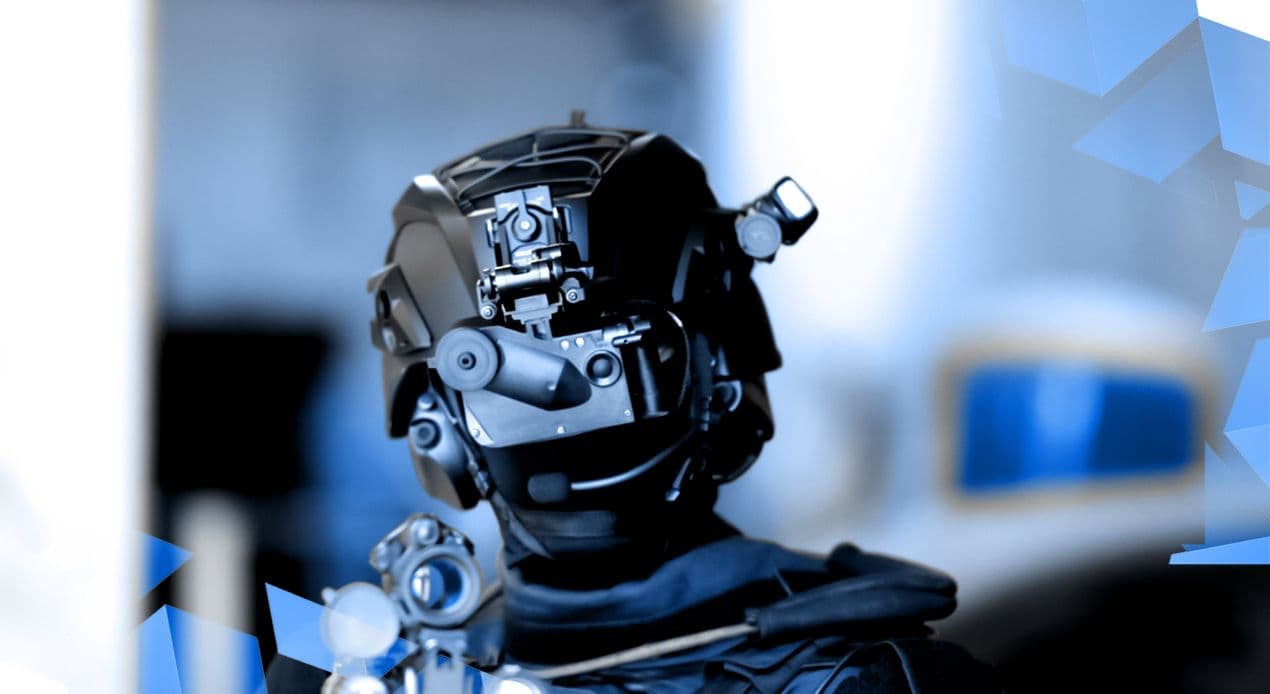
Defense electro-optical system in operational use
What are electro-optical systems in defense?
Electro-optical systems combine optical components, sensors, electronics, and image-processing technologies to improve observation and targeting across different visibility conditions. Depending on the application, a system may be designed for a soldier, a vehicle crew, a fixed platform, or a larger integrated fire-control architecture.
The most common technology groups include day optics, image-intensified night vision, thermal imaging, laser-based subsystems, driver viewers, weapon sights, clip-on devices, and electro-optical modules connected to broader command or fire-control systems.
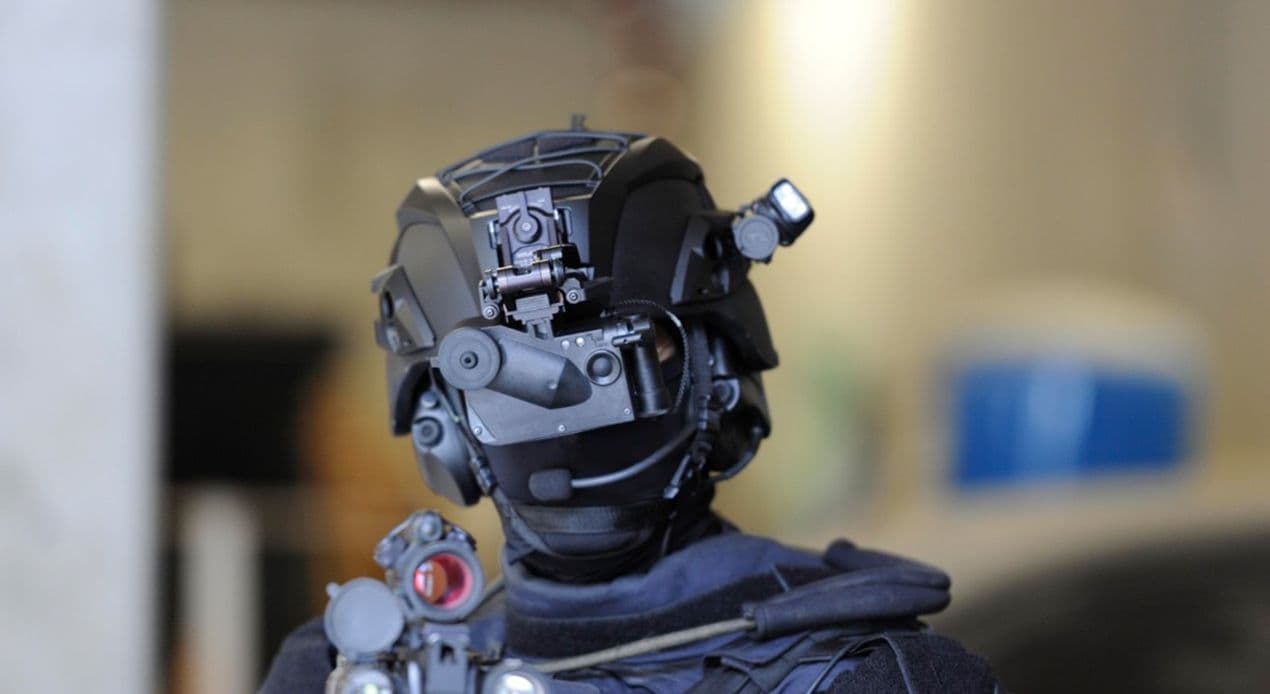
Night-vision equipment in a low-light environment
Night vision vs thermal imaging: what is the difference?
Night vision and thermal imaging solve different visibility problems. Image-intensified night vision amplifies available light and is especially useful when the operator needs a scene that remains visually familiar. Thermal imaging detects heat differences, allowing useful contrast even when visible light is extremely limited or absent.
Selection depends on the operational requirement. Some applications prioritize natural scene interpretation and mobility, while others prioritize detection through darkness, haze, or challenging backgrounds. In many modern platforms, the strongest architecture combines complementary sensing technologies rather than treating them as interchangeable.
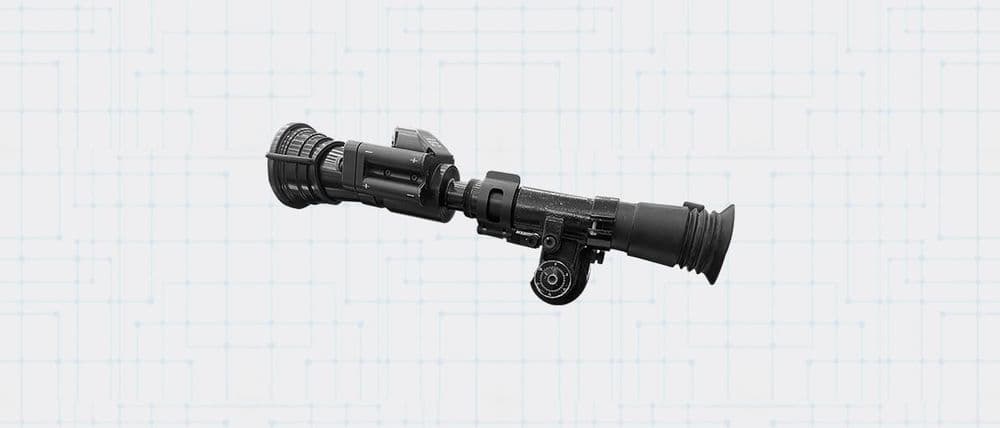
E64 clip-on night-vision system
Dedicated sights, clip-on systems, and modular optics
Dedicated night sights are designed as complete observation or aiming systems, while clip-on devices are intended to add a night-capable layer to an existing day-optic workflow. The right choice depends on platform compatibility, optical alignment, weight, field of view, magnification, power endurance, and how quickly the user needs to move between daytime and low-light operation.
Modular architectures can be especially valuable when the same base platform needs to support different mission configurations without forcing a complete change of the primary optical setup.
Electro-optical systems for vehicle and platform applications
Vehicle night vision and driver-viewing systems
Armored and tactical vehicles need electro-optical systems that support safe mobility when ambient light is limited. Driver viewers are designed around the needs of the vehicle crew, where field of view, visual comfort, ruggedness, platform power, environmental resilience, and integration with the vehicle are central considerations.
A vehicle-focused solution should be evaluated as part of the platform rather than as a standalone device. Mounting geometry, available power, viewing position, environmental sealing, and maintainability all affect real-world performance.
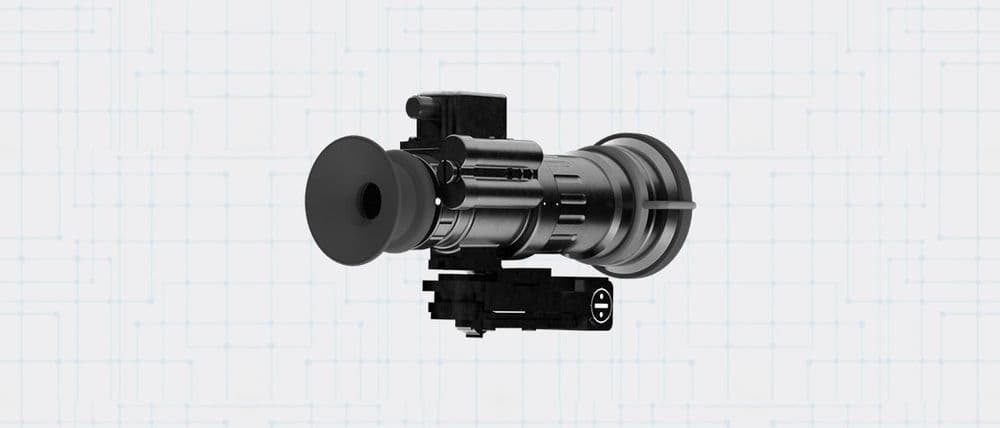
Precision defense optical sight
Fire-control optics and integrated target acquisition
At the system level, electro-optics can form part of a broader fire-control or target-acquisition architecture. In these applications, optical clarity is only one part of the design. Stabilization, sensor alignment, range information, platform interfaces, display architecture, environmental performance, and maintainability can all influence the effectiveness of the integrated solution.
This is why complex defense optics are normally evaluated as complete systems with clearly defined platform and integration requirements rather than as isolated components.
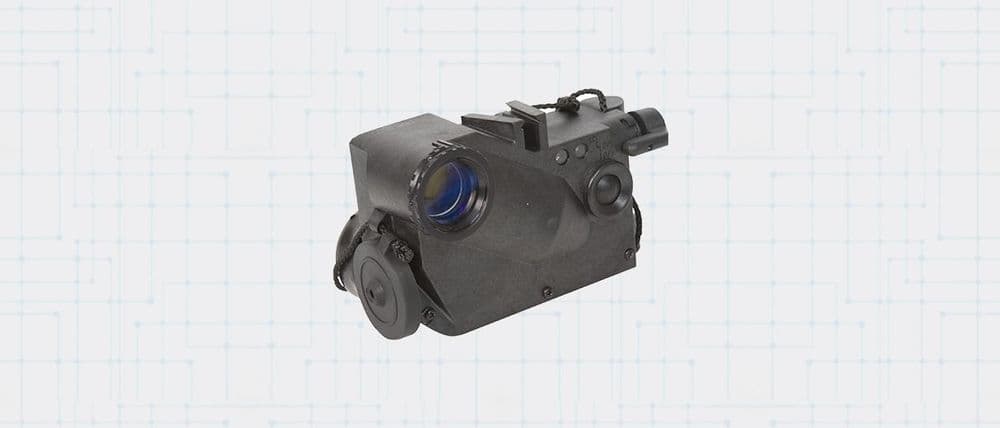
Rugged night-vision optical device
Ruggedization, optical quality, and environmental performance
Defense electro-optics are expected to perform in demanding conditions, so mechanical strength, optical quality, temperature tolerance, sealing, shock resistance, vibration resistance, and power endurance matter alongside imaging performance. The exact requirements depend on the platform and operating environment.
Procurement teams should compare products using the standards, test conditions, interfaces, and specifications that are relevant to their own program rather than relying on a single headline metric.
Defense electro-optical platform selection
How to choose the right electro-optical system
Selection should start with the operating scenario. Teams should define whether the priority is observation, navigation, target acquisition, platform driving, day-to-night conversion, or integration into a larger fire-control system. From there, the evaluation should consider range requirements, field of view, magnification, low-light or thermal performance, power, weight, mounting, environmental limits, and integration constraints.
The strongest choice is the system that fits the platform, mission profile, support model, and long-term integration plan — not simply the device with the largest specification number.
- Define the primary mission and viewing conditions.
- Match the sensor technology to the visibility problem being solved.
- Confirm mounting, optical alignment, platform power, and interface compatibility.
- Review environmental, endurance, and maintainability requirements.
- Plan for platform integration and future upgrades from the beginning.
Visual Highlights
Article Gallery
Supporting visuals illustrating the surveillance environments and applications discussed in this guide.
Explore AIO
OpticVision Products & Solutions
Continue to the relevant OpticVision brand and product-category pages for detailed product information.
E64 Clip-On
A clip-on night-vision solution designed to add low-light capability to an existing day-sight workflow.
A35 OWL
A dedicated night-vision sight for low-light observation and aiming applications.
LUCIE
A compact helmet-mounted night-vision system focused on situational awareness and ergonomics.
Driver's Night Vision Viewer
A vehicle-oriented night-vision viewer designed for low-light platform mobility.
A34 Mini OWL
Explore the A34 Mini OWL product page and its technical positioning.
A45 Max OWL
Explore the A45 Max OWL product page and its role in the night-vision portfolio.
Questions & Answers
Frequently Asked Questions
What is an electro-optical system in defense?
An electro-optical system combines optics, sensors, electronics, and image-processing technologies to support observation, navigation, target acquisition, or platform awareness across different visibility conditions.
What is the difference between night vision and thermal imaging?
Image-intensified night vision amplifies available light, while thermal imaging detects heat differences. Each technology is suited to different visibility and operational requirements.
What is a clip-on night-vision system?
A clip-on system is designed to add low-light capability to an existing day-optic setup, reducing the need to replace the primary sight when transitioning between lighting conditions.
What should be considered when selecting defense optics?
Important considerations include mission type, visibility conditions, range, field of view, weight, power, platform integration, mounting, environmental requirements, maintainability, and long-term support.
Contact AIO
Need help planning your project?
Contact the AIO team to discuss your site, application, product requirements, or technical questions.