Long-Range Thermal Surveillance for Borders and Critical Infrastructure
How to assess thermal observation objectives, detection versus identification, terrain, weather and control-room integration without treating a headline range figure as a complete solution.

AIOEGY Editorial Team
Editorial Team
What this guide covers
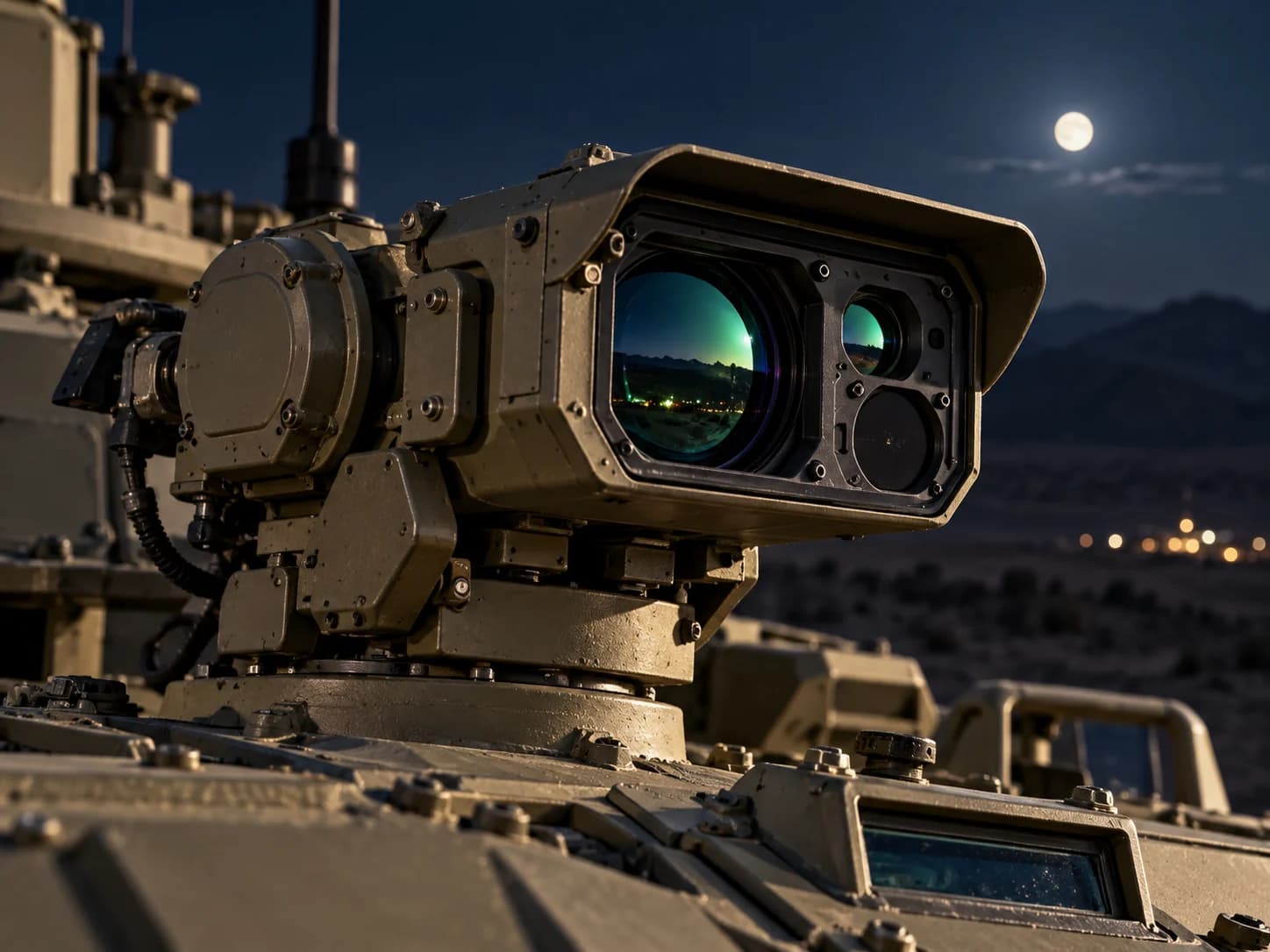
A long-range thermal surveillance project begins with an operational question: what needs to be noticed, from where, in what conditions and with what level of confidence? The answer is rarely contained in one distance figure. A sensor that can detect a heat contrast at a long distance may not provide enough detail for an operator to classify or identify what produced it.
This distinction matters for border observation, wide-area site security and critical infrastructure. Terrain, weather, thermal contrast, mounting stability, optics and the operator’s workflow can all change the usefulness of an image. Consequently, a good system specification starts with the tasks a team must perform rather than the largest stated range.
AIO’s defense product range includes thermal devices and broader electro-optical solutions. This article addresses the planning and evaluation of long-range observation applications; the existing electro-optical pillar covers the wider technology families.
Define what detection, recognition and identification mean for the project
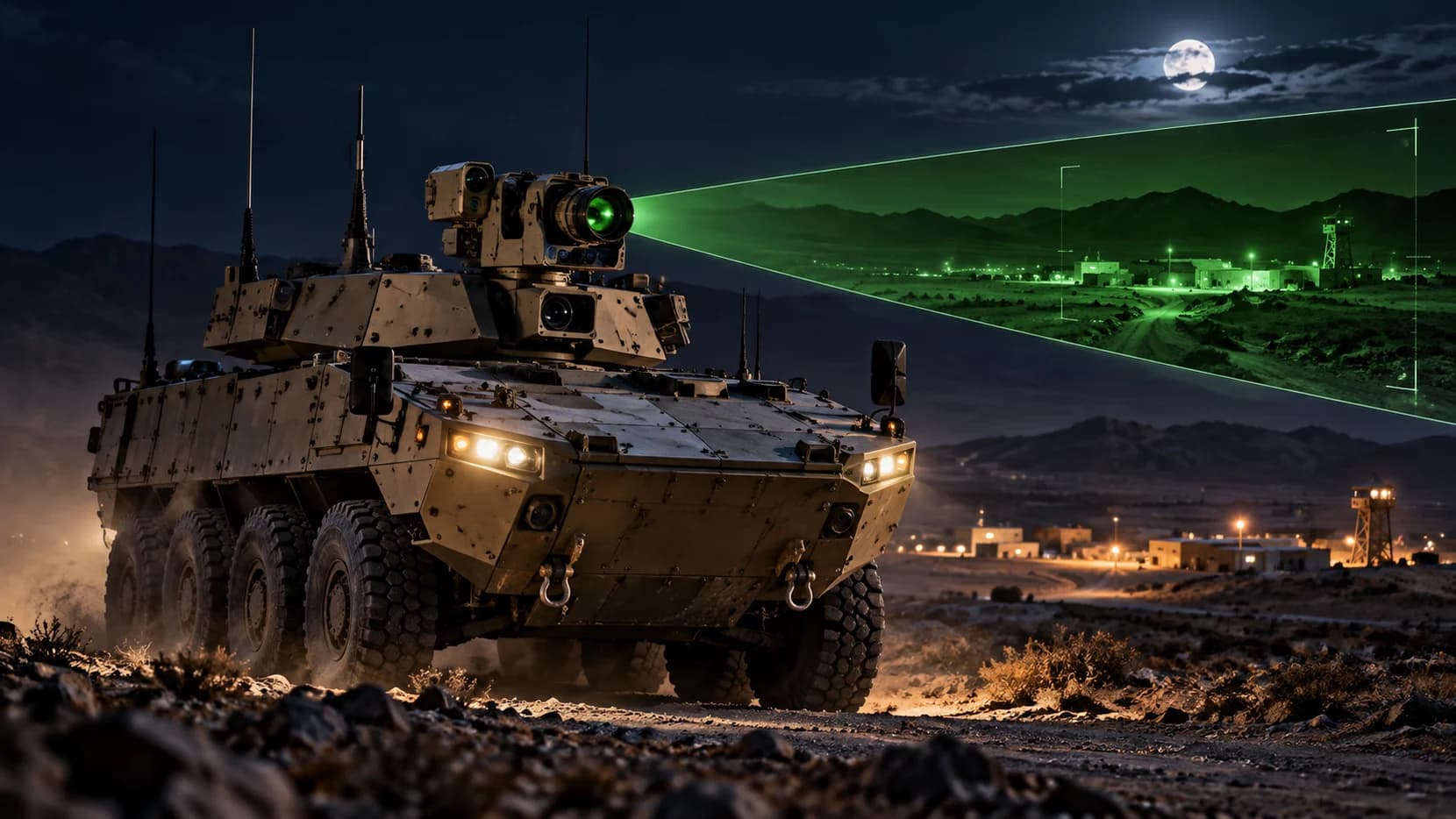
Detection can mean that a sensor reveals the presence of something distinguishable from its background. Recognition requires enough information to classify the object, while identification demands finer detail and a clearly defined criterion. These terms should not be used interchangeably when reviewing manufacturer claims or designing a site.
Translate each observation task into an acceptance scenario. For example, is the objective to alert a control room to activity in a distant monitored area, or to provide a high-detail view of an approaching vehicle at a specific checkpoint? Each requires different optics, placement, evaluation methods and supporting cameras.
Key considerations
- Document the observation goal and minimum usable image detail.
- Separate stated detection distances from evidence of recognition or identification.
- Request the specific conditions behind any advertised range figure.
- Use a realistic field demonstration where practical.
Terrain and atmospheric conditions shape real coverage
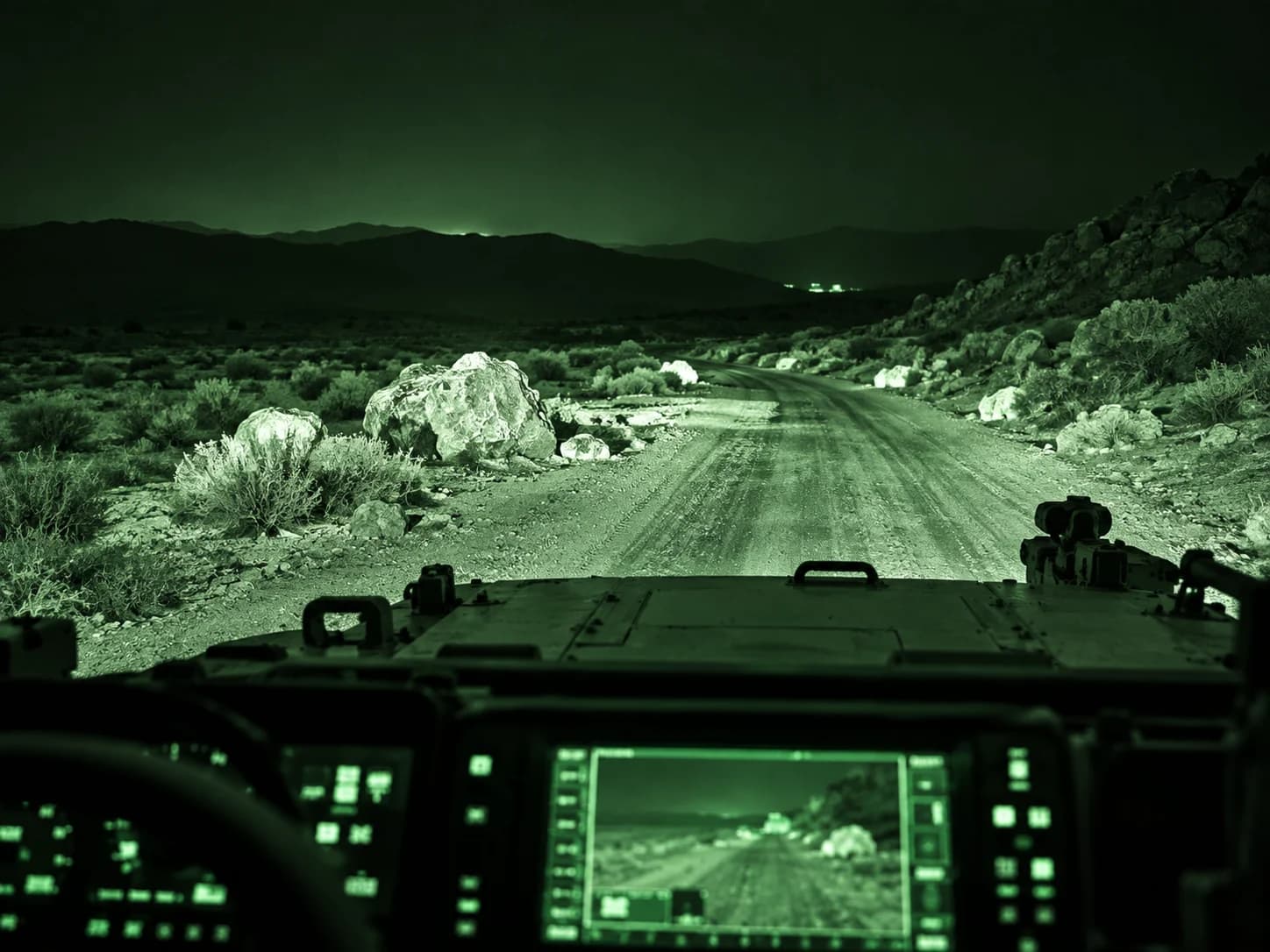
Line of sight is a basic constraint. Hills, buildings, vegetation and elevated industrial structures can block observation regardless of sensor quality. Even with a clear view, humidity, haze, dust, rain and low contrast between the subject and surroundings may reduce the useful detail in thermal imagery.
Survey the actual area from proposed mounting locations and at relevant times of day. Observe changes in background temperature, reflections and visibility. A clean demonstration against an easy thermal target is useful but does not replace evaluation across the operating conditions the site will experience.
Key considerations
- Record sightline obstructions and candidate mast locations.
- Review seasonal and day/night thermal contrast.
- Consider environmental protection and maintenance access.
- Do not assume clear-weather range estimates transfer unchanged to adverse conditions.
The right field of view matters as much as reach
Narrow fields of view can reveal more detail at distance but cover less territory in a single frame. Wider fields of view provide situational context, yet distant objects may occupy too few pixels for detailed interpretation. Multi-sensor installations may combine a wide-area search view with a narrower observation channel.
A useful specification identifies the required coverage width at each relevant distance, the expected area of interest, and whether operators need to search large regions or revisit predefined points. The final choice should balance situational awareness with detail rather than optimizing only magnification.
From a remote sensor to a usable operations system
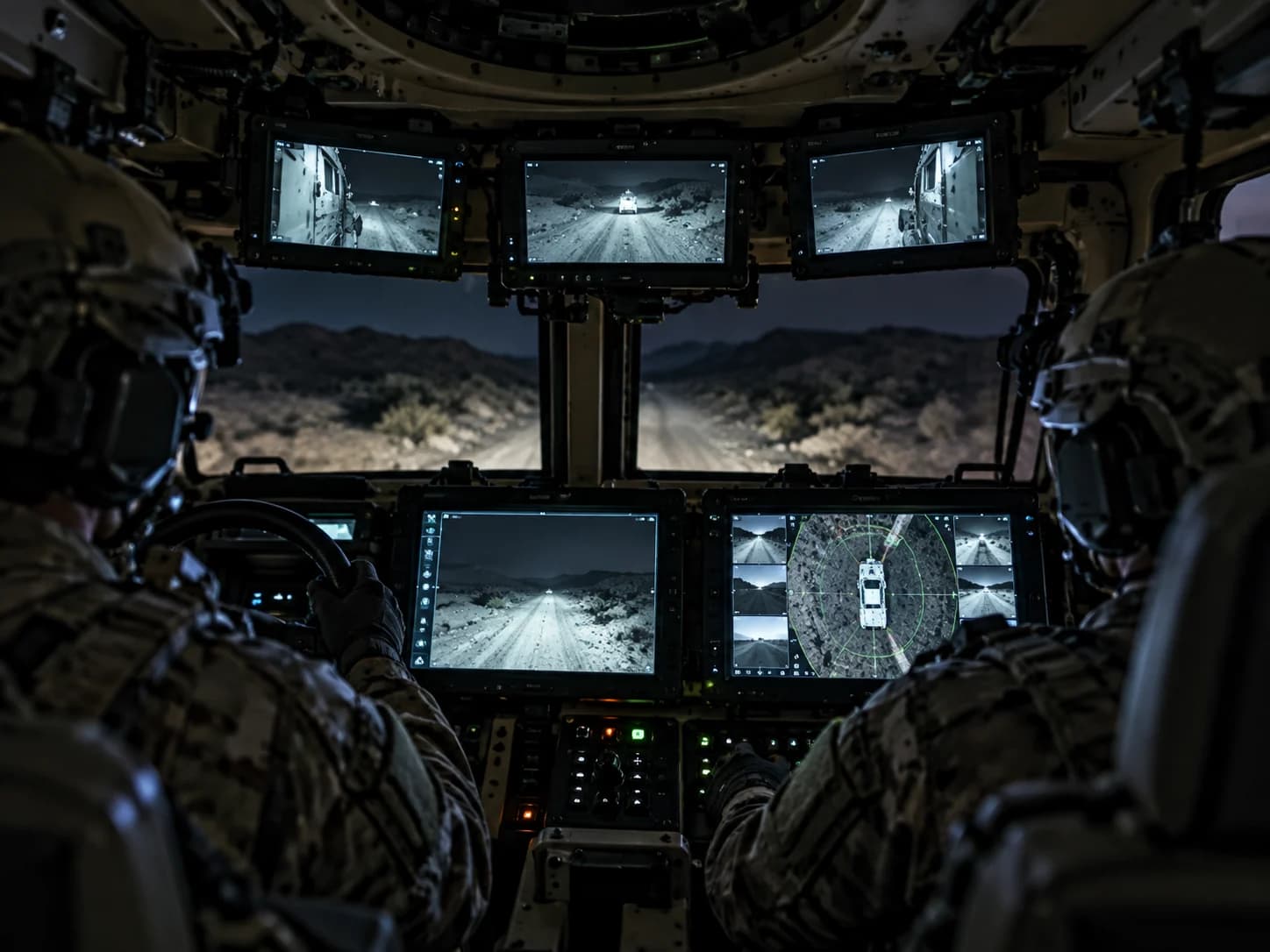
Long-range observation becomes useful when information reaches the people who can act on it. Define how imagery is displayed, recorded and reviewed, who can control the sensor, what happens after an event and how the wider monitoring system handles network or power failures.
Integration questions include communications links, control protocols, recording policies, cybersecurity, environmental enclosures, operator permissions and maintenance. Equipment compatibility is product-specific: request supported interfaces for the selected model rather than assuming every thermal camera connects to any existing management platform.
Key considerations
- Operator workflow and escalation ownership.
- Sufficient network and power resilience for the site.
- Secure access and appropriate record retention.
- Documented interfaces, acceptance tests and service plan.
A focused evaluation checklist for procurement teams
Ask suppliers to demonstrate the desired observation task using the exact configuration under consideration. Record the distance and environmental conditions; capture actual image samples; and distinguish guaranteed technical specifications from estimates that depend on target size and background conditions.
Key considerations
- Required detection or recognition task and scenario.
- Location, height and line-of-sight survey.
- Field of view and optical/thermal sensor configuration.
- Environmental limits and stabilization requirements.
- Recording, networking, security and maintenance integration.
- Documented test method and acceptance criteria.
Review AIO thermal and long-range observation options
AIO lists thermal-device families and a dedicated Long Range Surveillance system (RCU) within its defense catalog. These pages provide starting points for identifying relevant product groups, but detailed capability, availability, installation requirements and suitability must be confirmed from the current manufacturer documentation.
For broader questions about image intensifiers, day sights, clip-on systems and integrated electro-optics, use the main defense systems guide. For this article’s specialized use case, the natural next step is to compare actual thermal observation equipment against a written site requirement.
Relevant AIO products & next steps
Further reading
Common questions
Does a long thermal detection range guarantee identification?
No. Detecting a heat contrast is not the same as recognizing or identifying its source. The usable detail depends on configuration, target characteristics and conditions.
Can a thermal camera see through every type of obstruction?
No. Terrain and many physical obstructions block line of sight, and atmospheric effects can reduce image quality. Site surveys and field tests remain necessary.
What information should a buyer request before selection?
Ask for a model-specific datasheet, clearly defined observation tasks, the conditions behind range claims, integration interfaces and a documented acceptance-test method.
Need to discuss your requirements?
Contact AIO for current model information, datasheets and application-specific technical consultation.