ANPR Cameras for Parking and Compound Access Control in Egypt
A practical guide to planning vehicle entry, number-plate recognition, barrier integration and privacy-conscious recordkeeping at Egyptian sites.

AIOEGY Editorial Team
Editorial Team
What this guide covers
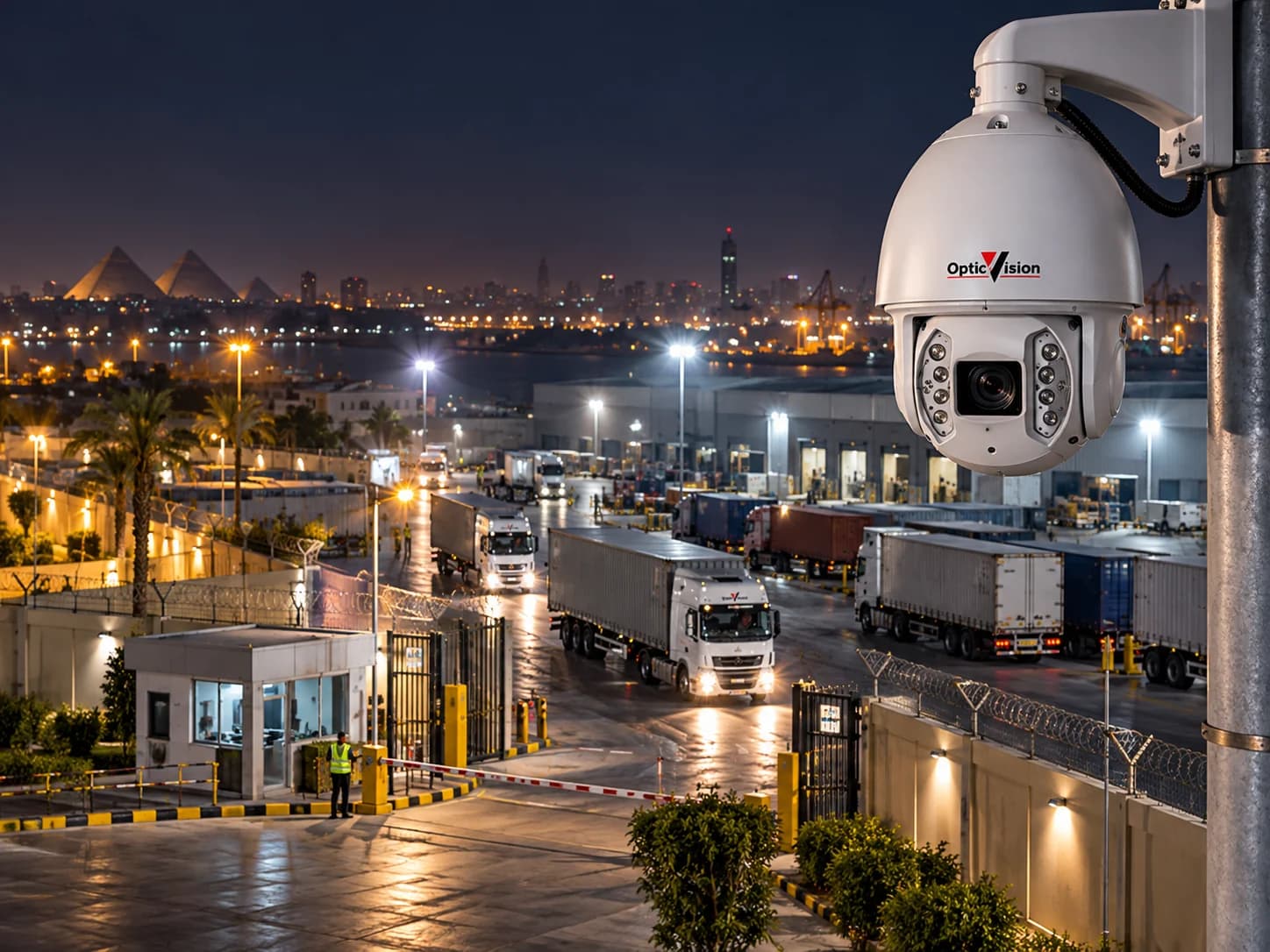
At a busy compound entrance, a security guard may be asked to verify residents, visitors, delivery drivers and service vehicles while traffic continues to build behind the gate. Automatic Number Plate Recognition (ANPR), also called License Plate Recognition (LPR), can help simplify this workflow by reading vehicle registration plates and linking the result to an access-management process.
The key distinction is that an ANPR system does not merely record an entrance on video. It is designed to capture a plate, interpret the characters and pass the result to the application that applies entry rules. A barrier should not open just because a camera detected a vehicle; the system needs an appropriate authorization decision and a safe fallback for errors.
This guide focuses on planning ANPR for parking facilities, gated communities, business compounds and controlled industrial entrances in Egypt. It supports the dedicated OpticVision ANPR product category, which remains the place to review actual cameras and request a model datasheet.
Start with the gate workflow, not the camera specification
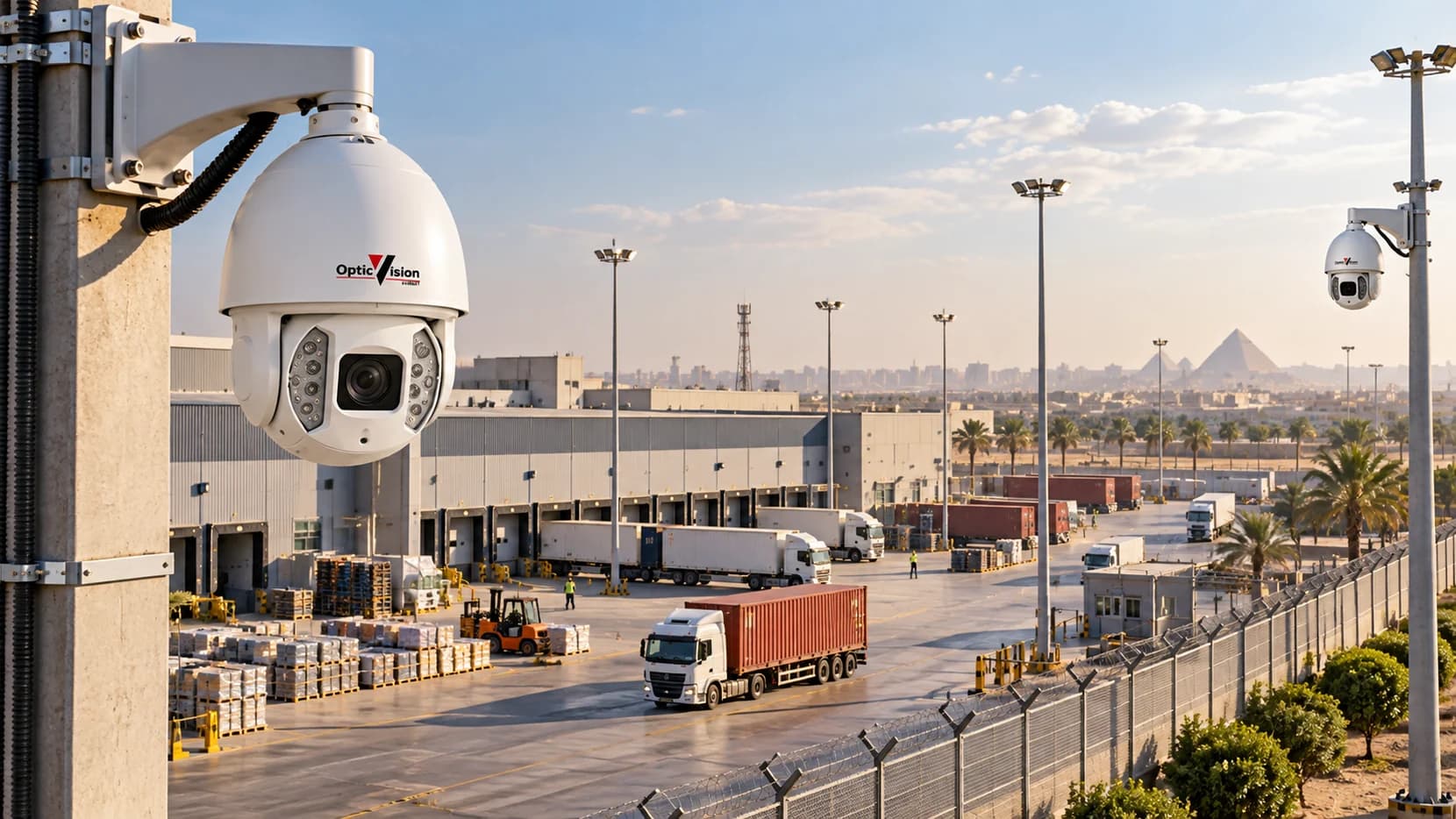
Map the complete arrival: a vehicle approaches, slows or stops, enters the capture zone, has its plate read, receives an authorization decision and proceeds or is routed for manual review. Some sites have one lane for all traffic; others separate resident, visitor, truck and emergency access.
Decide which system owns the list of approved plates, how visitors are entered, how exceptions are approved and who can override a gate. A reliable design documents these rules before connecting hardware. The system should remain understandable when the plate is unreadable, a visitor arrives unexpectedly or the network becomes unavailable.
Key considerations
- Identify entry and exit lanes separately.
- Document authorized users, visitor approvals and exceptional access.
- Define a clear operator override and incident escalation process.
- Avoid making a plate read the sole basis for high-risk access decisions.
Camera position, vehicle speed and lighting determine capture quality
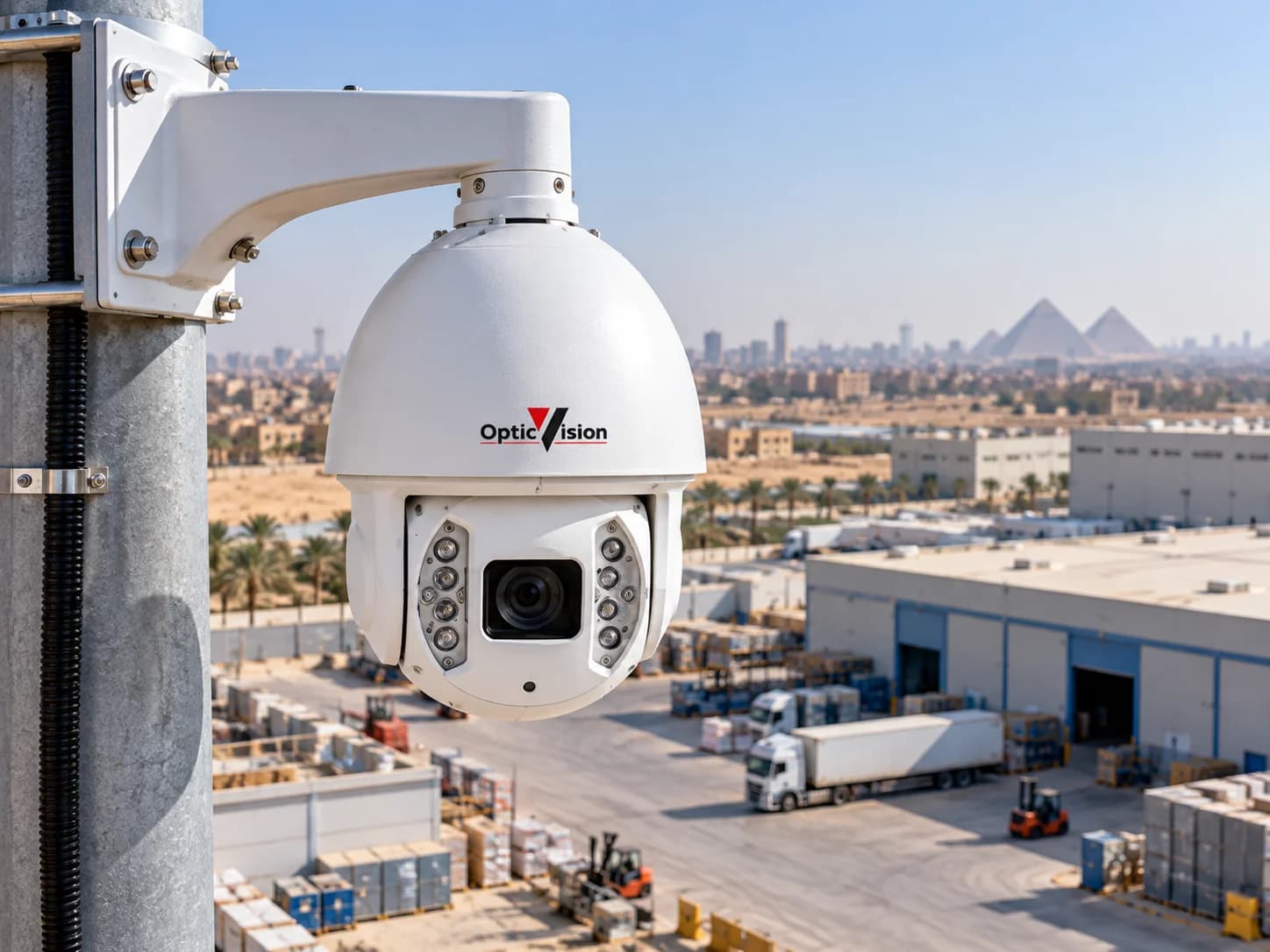
Plate recognition depends on a readable plate image. Camera angle, distance, lane width, vehicle speed, night-time headlight glare, dirty plates and environmental conditions all affect capture. A conventional wide-angle surveillance camera may provide useful context but is not a substitute for a plate-optimized ANPR camera.
During design, identify a consistent capture zone where the plate remains visible. Review the camera manufacturer’s approved installation geometry and the specific model datasheet, then run test vehicles through the lane both in daylight and after dark. Results from another site are not sufficient evidence of performance at your entrance.
Key considerations
- Verify capture distance and supported vehicle speeds for the exact model.
- Check reflections, headlights and shadows at night.
- Confirm performance for the plate formats actually encountered at the site.
- Keep a contextual overview camera where operators need wider awareness.
How ANPR integrates with barriers and access management
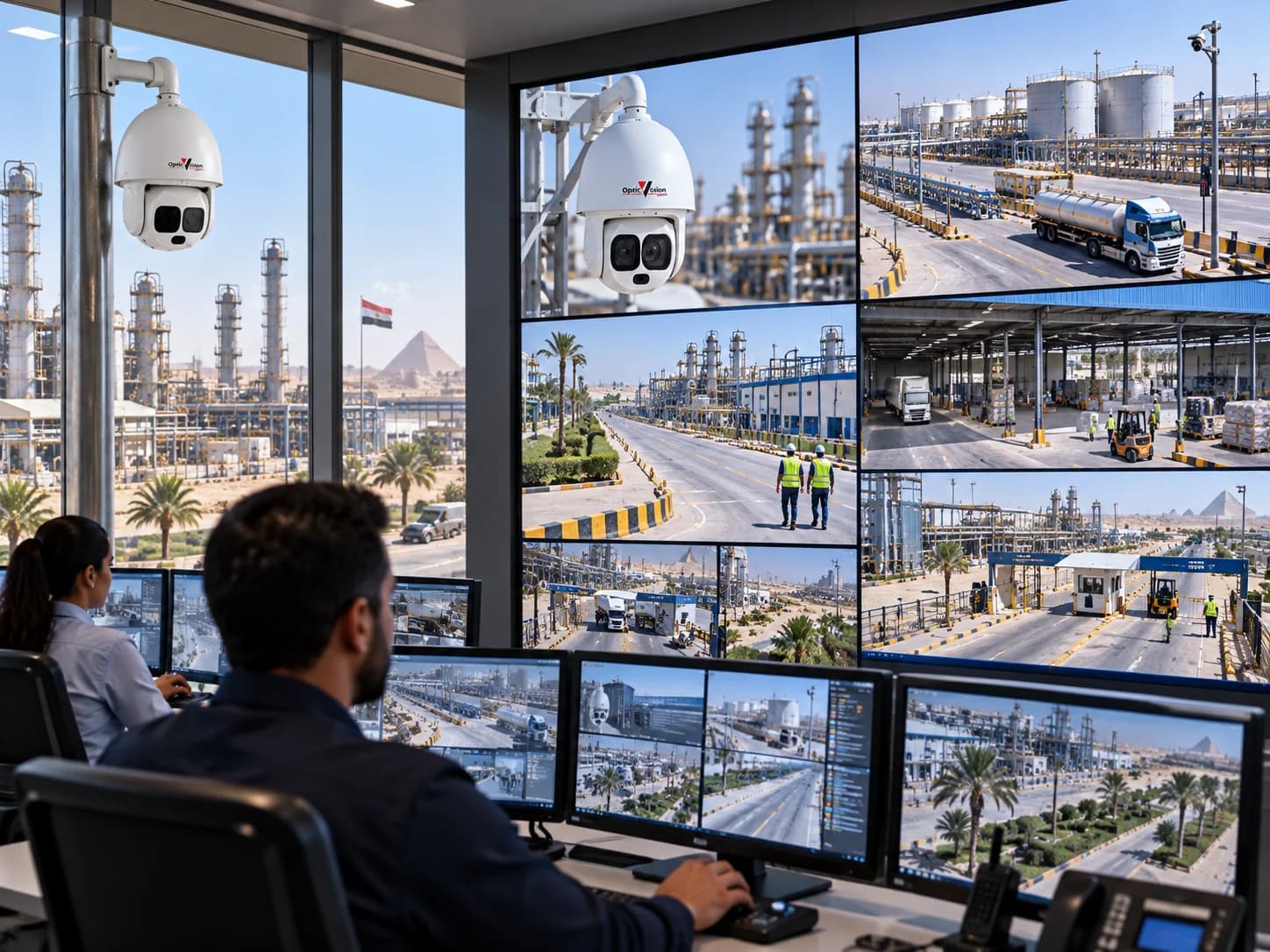
An ANPR camera can send a recognized plate and related event data to access-control software or a compatible controller. The access application compares the result with the applicable permit, schedule or visitor record before taking action. The interface and exact integration capabilities must be confirmed for the selected camera and controller.
Treat safety functions separately from recognition logic. A vehicle barrier needs appropriate safety sensors and manual procedures to avoid closing onto a car or blocking necessary access. During acceptance testing, check duplicate reads, repeated attempts, tailgating scenarios, mismatched permissions and what happens during communication failures.
Key considerations
- Confirm supported APIs, interfaces or relay actions.
- Determine who administers plate permissions and audit logs.
- Test denied access and manual-review scenarios.
- Validate barrier safety equipment independently of the recognition result.
Operations, privacy and record retention
Vehicle plate data and access histories should be handled as operational records, not an unlimited collection of footage. Site owners should decide what information is needed for the access purpose, who can see it, how long it is retained and how requests or corrections will be handled.
Place clear notices where appropriate and review the applicable Egyptian data-protection and site-security obligations with qualified advisers. Avoid promising automatic legal compliance from a camera feature alone. In day-to-day operation, define responsibility for plate-list updates, audit reviews, firmware maintenance and secure account access.
A practical commissioning checklist for Egyptian sites
Before approving deployment, test real vehicles rather than relying only on a demonstration video. Include familiar and unfamiliar plates, varying arrival speeds, daytime glare and darkness. Record failure cases and agree on the operator response. Document the tested camera model, software versions and environmental conditions so later maintenance can reproduce the results.
Key considerations
- Lane drawings and authorized installation angles.
- Day/night capture tests with actual site vehicles.
- Integration tests for permits, visitors, rejection and override.
- Network, storage, power and maintenance responsibilities.
- Defined retention policy and authorized access to recognition data.
Choosing the right OpticVision route
If the priority is automatic plate reading and gate decisions, start with the OpticVision ANPR Cameras category and request the Access ANPR Camera datasheet to verify its capability and interfaces. If the priority is observing large yards, you may need a separate PTZ or fixed-camera layer. These functions can complement one another, but they are not interchangeable.
AIO’s broader CCTV guide explains the system architecture around cameras, recording and video management; this article narrows the discussion specifically to vehicle entry and parking control.
Relevant AIO products & next steps
Further reading
Common questions
Is an ANPR camera the same as a CCTV camera?
An ANPR camera is optimized to obtain readable number plates and produce recognition events. General CCTV can provide broader surveillance context, but not every CCTV camera is suitable for automated plate reading.
Can ANPR open a parking gate automatically?
It can be part of an automated gate workflow when the selected camera, access software and compatible controller support that integration. Site safety, authorization rules and manual fallback still need to be designed.
Will every vehicle plate be recognized correctly?
No recognition system should be assumed error-free. Performance depends on the exact equipment and site conditions; real day/night testing and an exception workflow are essential.
Need to discuss your requirements?
Contact AIO for current model information, datasheets and application-specific technical consultation.